
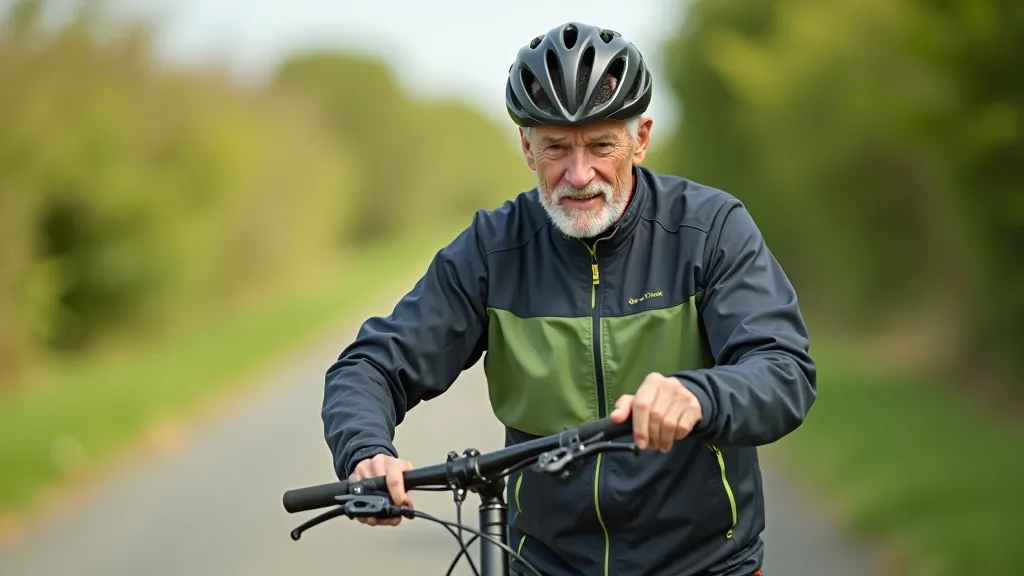
Why Safety Matters on Every Ride
Cycling on canal towpaths is a wonderful way to stay active and enjoy the outdoors. But you've got to do it right. Whether you're heading out for a gentle 30-minute spin or tackling a longer route, a few simple checks beforehand can make all the difference. We're talking basic things — checking your brakes, making sure your tyres have enough air, and wearing visibility gear.
Most incidents don't happen because riders are reckless. They happen because something small got overlooked. A worn brake cable. A flat tyre you didn't notice. A reflective vest left at home. The good news? You can prevent nearly all of these by spending five minutes on basic pre-ride checks and keeping your bike in decent shape.
Quick Safety Checklist
- Helmet fastened properly
- Brakes responsive and clean
- Tyres inflated to correct pressure
- Lights and reflectors working
- Chain lubricated, not rusty
- Wearing high-visibility clothing
Pre-Ride Checks: The Five-Minute Habit
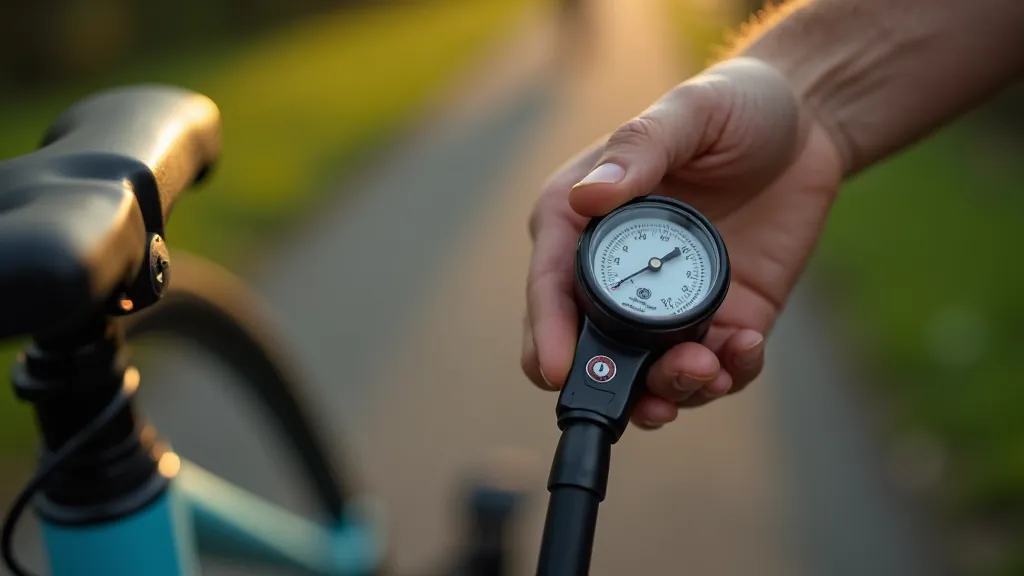
Before you leave home, spend just five minutes going through your bike. It'll save you from a puncture halfway along the Blueway or worse. Start with your tyres — they should feel firm when you press them with your thumb. Most canal path bikes need 50-70 PSI (pounds per square inch) depending on the tyre width. If you've got a pump with a gauge at home, use it. If not, your local bike shop can pump them up for you.
Next, squeeze your brake levers. They should feel firm and responsive, not spongy or too loose. If they're mushy, your brake fluid might be low or your cables need adjusting. Don't ignore this — bad brakes are a genuine safety issue. You'll also want to check that your chain isn't rusty or dry. A quick wipe with a cloth and a drop of chain oil keeps things running smoothly. It doesn't take long but it matters.
Visibility: Being Seen Is Everything
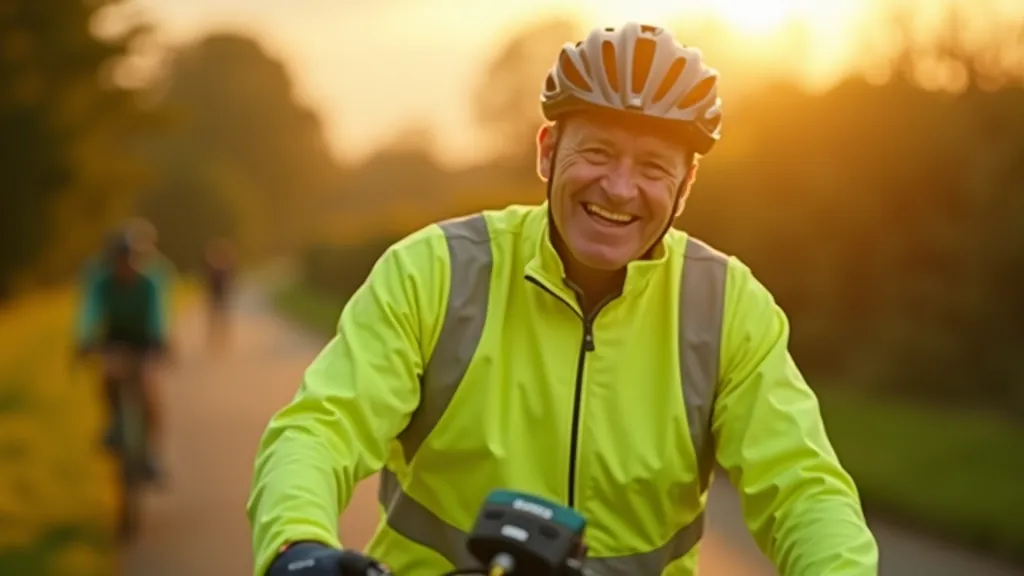
You'd be surprised how many cyclists don't think about visibility until something happens. On the canal towpaths, especially in low light or overcast weather, being seen is absolutely critical. A high-visibility vest isn't optional — it's your insurance policy. Bright yellow or orange works best because it contrasts sharply with natural backgrounds.
Don't rely only on your bike's lights either. Yes, your lights matter and you'll want them working, but a reflective vest means other path users — joggers, walkers, other cyclists — can spot you from further away. If you're riding early morning or late afternoon, consider adding a rear light and keeping your front light on even during the day. The Blueway is busy in summer, and being visible reduces near-misses significantly. We've found that riders who wear high-vis gear report far fewer close calls.
Important Note
This article provides general safety guidance for recreational cycling. Always follow your local traffic laws and path regulations. If you're uncertain about any bike maintenance, consult a qualified bike mechanic. Your safety is your responsibility.
Regular Maintenance: Keep Your Bike Happy
You don't need to be a mechanic to maintain a bike. But you do need a basic routine. Every two weeks — or more often if you're riding regularly — give your bike a proper once-over. This means cleaning it, checking the chain tension, and inspecting the brakes and gears. A clean bike is easier to inspect because you'll spot problems faster.
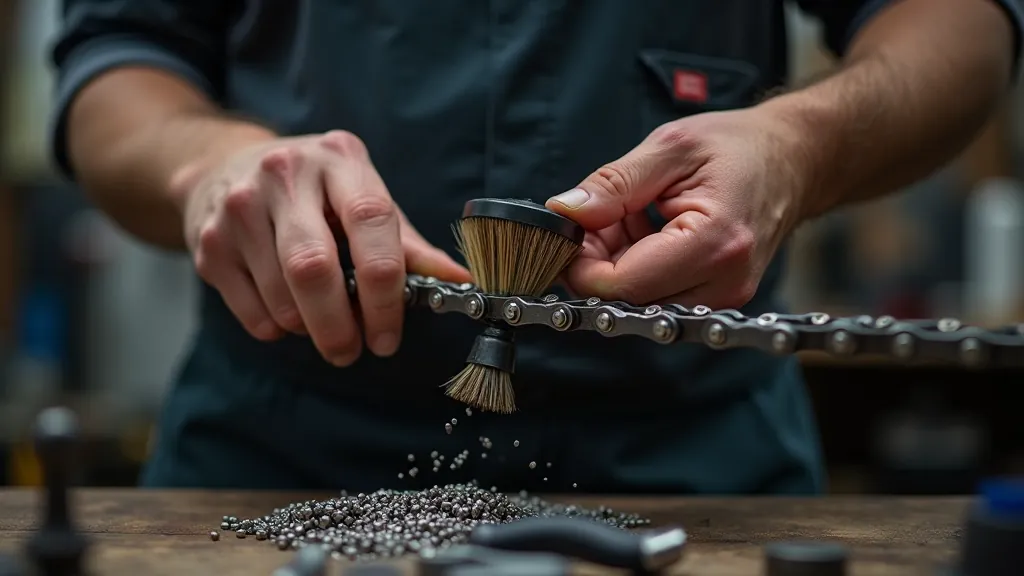
The chain is the workhorse of your bike. A dirty, dry chain wears out faster and makes pedalling harder. Clean it with an old cloth and apply a proper chain lubricant — not WD-40 or general oil. A good chain lube is cheap and lasts ages. While you're at it, check that your gears shift smoothly. If they're sluggish or skipping, the cable tension might need adjusting. These aren't expensive fixes, but catching them early prevents bigger problems down the line.
Brake Maintenance: Don't Compromise Here
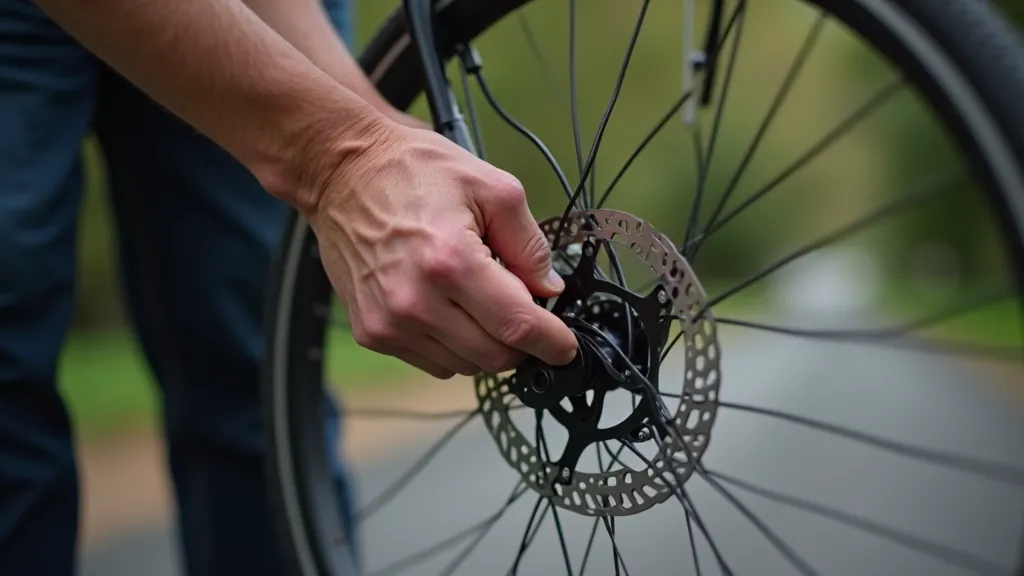
Brakes are where you absolutely cannot skip maintenance. Check your brake pads every month. They should have at least 2-3mm of material left. If they're worn thin, replace them before they damage your rims or discs. Worn pads mean longer stopping distances, and on a busy canal path, that's risky.
Clean your brake surfaces too. Dust and grime buildup reduces braking power. For rim brakes, wipe the rims with a clean cloth. For disc brakes, keep the rotors clean and avoid touching them with oily hands. If your brakes feel weak or inconsistent, don't just live with it — get them serviced. A bike mechanic can sort it out in 30 minutes, and it'll cost you less than one café stop. Your ability to stop quickly could literally save your life or someone else's.
Make Safety Part of Your Routine
Safe cycling doesn't require expensive equipment or hours of work. It's about building small habits. Spend five minutes checking your bike before each ride. Clean your chain every couple of weeks. Wear your high-vis vest. Check your brakes regularly. These simple steps mean you'll have more reliable, enjoyable rides and far fewer worries about mechanical failures ruining your day.
The Blueway and other canal towpaths are brilliant for leisurely cycling because they're peaceful and relatively flat. But that doesn't mean you can be casual about safety. A well-maintained bike and good visibility habits keep you safe, keep other path users safe, and let you focus on enjoying the scenery. So before your next ride, give your bike a quick once-over. You'll feel the difference.