Getting Started With Canal Towpath Cycling
A beginner's guide to preparing yourself, choosing the right bike, and building confidence for your first towpath ride.
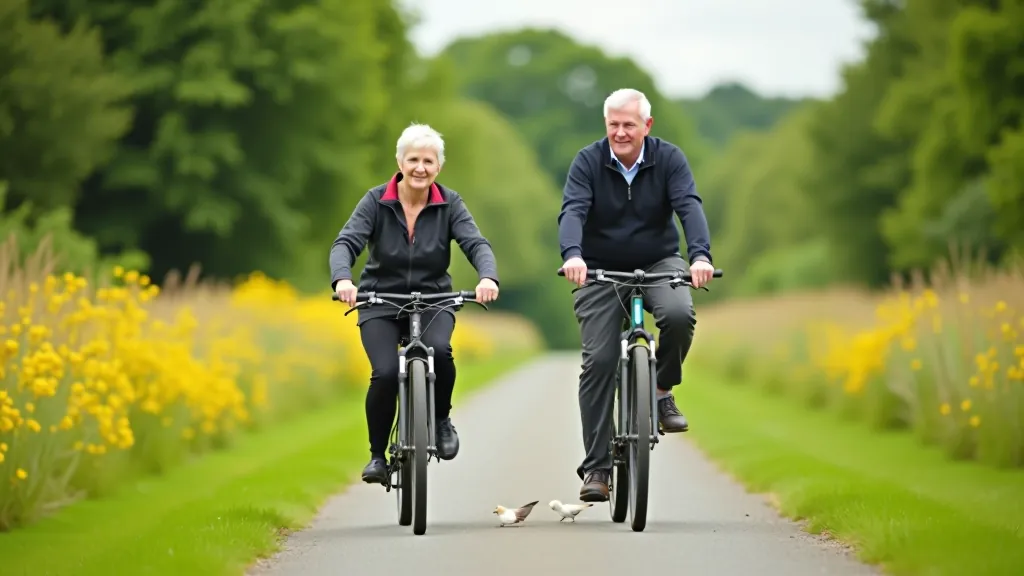
The Blueway Leitrim Shannon Route is one of Ireland's most accessible cycling paths — and that's exactly why it's become so popular with riders over 60. It's not a race course. There's no elevation gain worth worrying about. What you'll find instead is 65 kilometres of flat, well-maintained towpath that follows the Shannon-Erne Waterway through some of the most peaceful countryside in the northwest.
We've cycled it ourselves, talked to dozens of people who ride it regularly, and spent time on every section. This guide covers what you'll actually encounter — the surface conditions, where to stop, how to prepare, and what makes this route special for people who want to ride at their own pace.
Here's the straightforward version: you start at Leitrim and can cycle all the way to Shannon (the town, not the airport). The full route is 65 kilometres. That's a full day's ride if you're taking breaks, stopping for lunch, and enjoying the views — which is exactly what you should do.
Most people don't do the entire thing in one go. You've got options. The section from Leitrim to Ballinamore is 32 kilometres — manageable in a morning or afternoon with a good pace. Stop there, grab lunch at one of the local pubs, and you're done by 2 PM. Some riders break it into even smaller chunks. There's nothing wrong with that. The beauty of a towpath is you can turn around whenever you like.
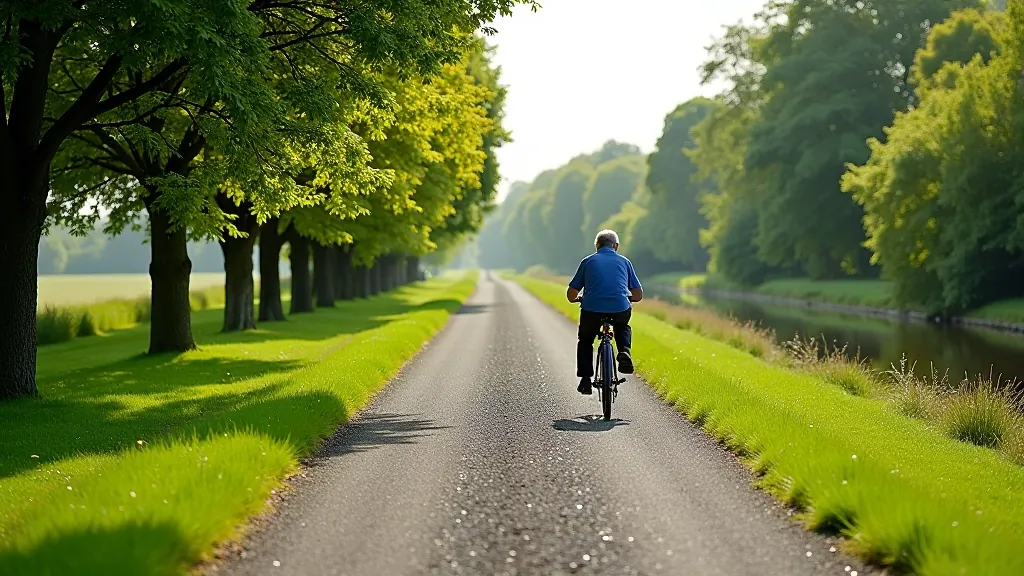
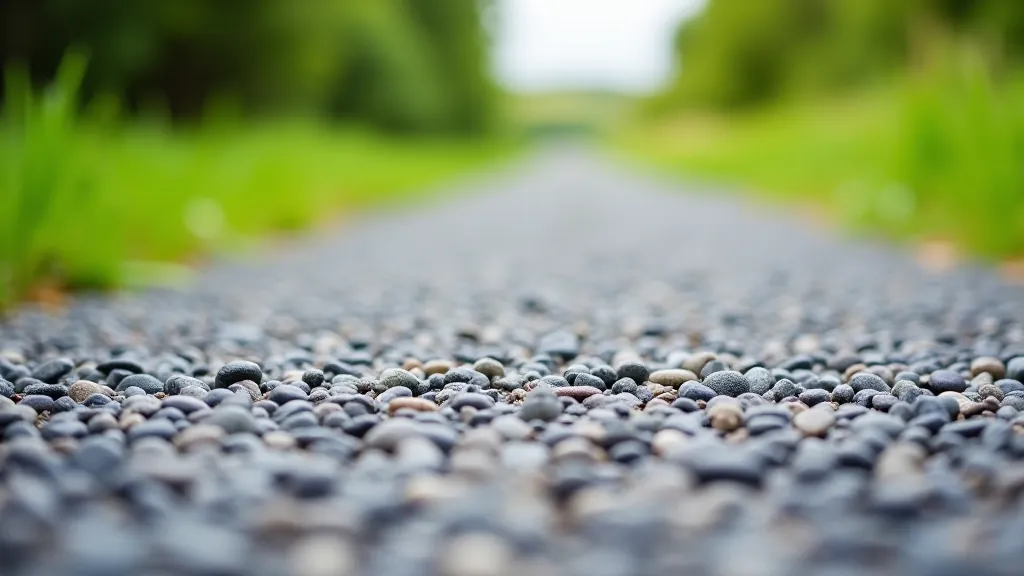
The surface is crushed stone and gravel. Not tarmac. This matters because it affects your bike choice and your comfort. The path is regularly maintained — they're serious about keeping it in good condition — so you won't find deep ruts or washouts. That said, after rain it can get soft in spots. You're not going to sink, but you'll notice the difference between riding on a dry day versus right after a downpour.
We've ridden it on hybrid bikes, mountain bikes with wider tyres, and even one person on a gravel-specific bike. They all work. What doesn't work? Road bikes with thin tyres. The gravel will be slow and uncomfortable. Stick with something with wider tyres (2 inches or more) and you'll be fine. A decent hybrid is honestly your best bet — comfortable position, forgiving tyres, and light enough that you're not fighting the bike.
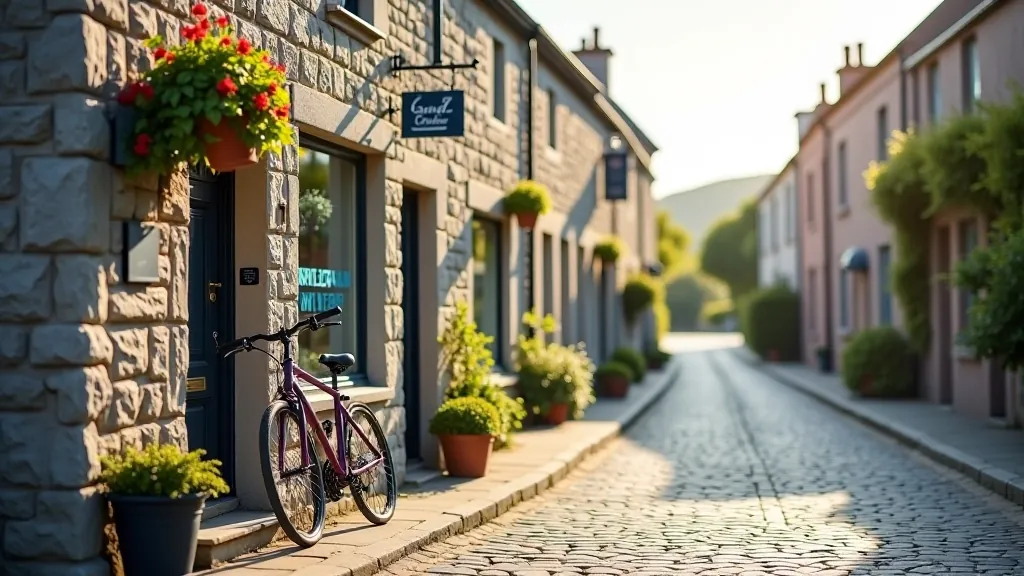
This isn't a wilderness route. You're cycling alongside a waterway with towns nearby, so facilities aren't sparse. Leitrim town is your starting point — good cafes, bike shops, and a public car park. Ballinamore (32 km in) has pubs, a small shop, and toilets. Shannon town at the end has everything you'd need, including restaurants and more shops.
Between those main points? There are scattered spots. A few small villages, boat rental places with cafes, and the occasional farm shop. Don't expect a convenience store every 5 kilometres, but you won't go hungry. Pack some water and snacks anyway — better to have them and not need them. We usually bring a backpack with a bottle, some energy bars, and maybe a sandwich. It's enough to keep you going without adding too much weight.
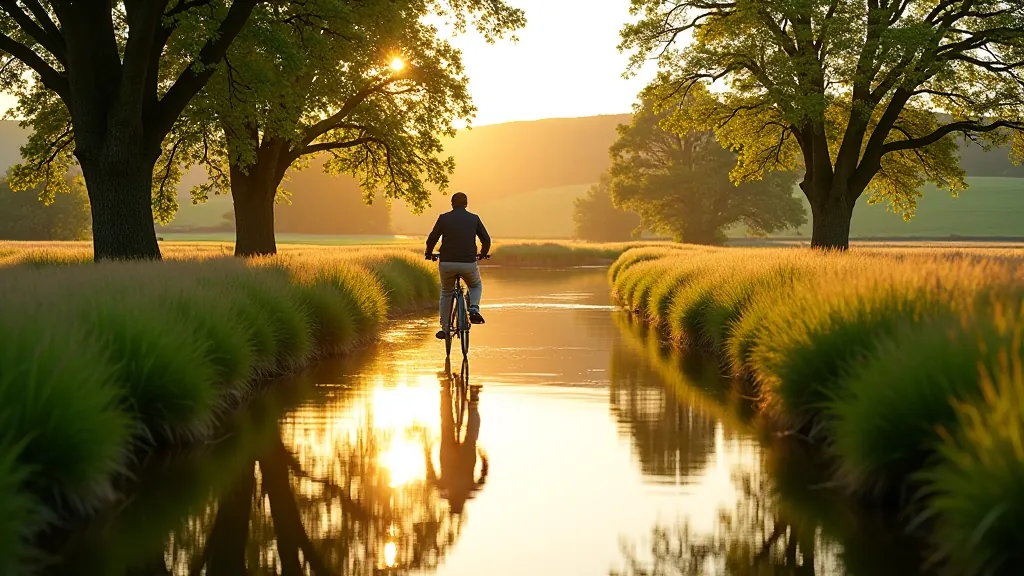
The water is on one side, trees and countryside on the other. Mostly. There are sections where it opens up and you get proper views of the landscape — rolling fields, distant hills, the kind of scenery that makes you want to stop and just look for a minute. Spring and early summer are brilliant because everything's green and the wildflowers are out. You'll see swans, herons, and all sorts of waterbirds. In autumn the colours change. Winter is quieter but also pretty — fewer people, just you and the landscape.
It's not dramatic scenery like mountains or cliffs. But that's kind of the point. It's peaceful. You can ride at a conversation pace and actually enjoy it. Your legs aren't burning, your heart's not racing, and you're taking in your surroundings. That's what makes this route special for people who want a proper ride without the intensity.
This guide is based on current conditions as of May 2026. Weather, maintenance, and local facilities can change. Always check with local tourism information or the route operator before heading out. If you have any health concerns about cycling, talk to your doctor first — especially if you've not cycled in a while. Bring water, wear a helmet, and tell someone where you're going. The route is well-travelled and generally safe, but basic precautions are sensible.
We've talked to people who've ridden the Blueway dozens of times. They're not training for anything. They're not chasing distance records. They're out there because it works. It's flat, it's accessible, it's beautiful in a quiet way, and you can go at your own pace. You'll meet other cyclists, but it's not crowded. You'll see the same familiar spots if you ride it often, which somehow makes it more appealing rather than less.
The route rewards you for showing up. You don't need special fitness. You don't need expensive gear. You need a decent bike, some time, and the willingness to pedal at a comfortable pace. That's it. Everything else — the views, the fresh air, the satisfaction of cycling a proper distance — that's the bonus.