Finding Your Perfect Ride
Comfort isn't just about feeling good during a ride — it's the foundation for actually enjoying cycling. We've spent time testing different bikes with riders like you, and what we've found is simple: the right bike makes all the difference. You'll ride longer, come back more often, and genuinely look forward to your next outing when you're on a bike that fits properly.
Whether you're planning a gentle canal towpath ride or exploring local paths, this guide walks you through what matters most. We're not talking about fancy racing features or trendy designs. We're talking about the practical stuff — seat comfort, handlebar reach, frame weight, and how easily you can get on and off. These are the details that actually shape your experience.
Key Factors to Consider
- Low step-through frame design for easy mounting
- Wide, padded saddle (not narrow racing seats)
- Lightweight frame (15-20kg is ideal)
- Upright riding position reducing back strain
- Smooth braking system with good leverage
Frame Design: Step-Through is Essential
Here's the thing — getting on and off your bike shouldn't be a struggle. Traditional diamond frames require you to swing your leg up and over the rear wheel, which puts strain on your hip and knee joints. A step-through frame solves this completely.
The low or absent top tube lets you simply step through when mounting and dismounting. It's a game-changer, especially on longer rides when you're more tired. You'll find step-through bikes in hybrid and cruiser styles, and honestly, many riders find they'll never go back to a traditional frame once they've experienced the difference.
Weight distribution matters too. Look for frames that position your weight centered over the pedals rather than stretched out. This means less arm and shoulder strain, and more control when you're cycling slowly through scenic areas.

Saddle Comfort: Width and Padding Are Non-Negotiable
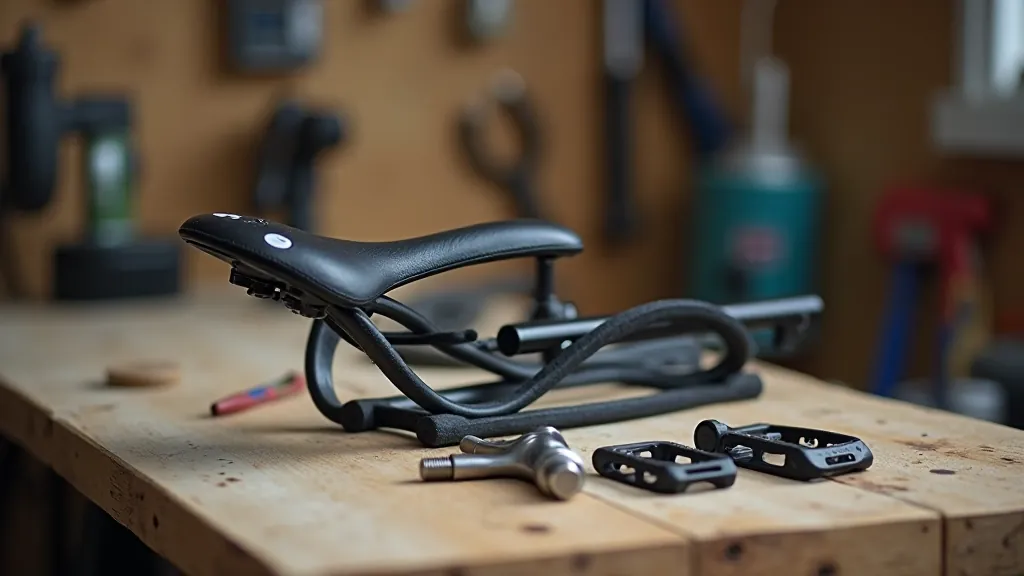
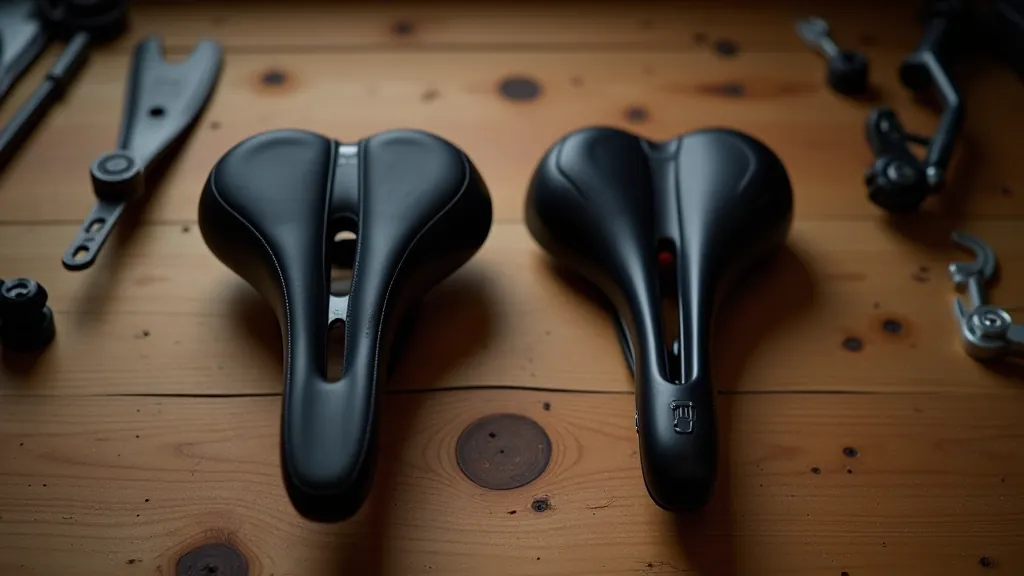
Your backside spends most of the time in contact with the seat, so getting this right is absolutely crucial. Narrow racing saddles look sleek but they're designed for people in padded cycling shorts leaning forward at aggressive angles. You're not doing that.
A good leisure saddle is typically 25-30cm wide with generous padding. It should have a slight cutout or channel in the center to relieve pressure on sensitive areas. Brands like Selle Royal and Brooks make specific models for comfort-focused riders, and they're worth the investment. You'll notice the difference immediately — no numbness, no soreness after a 45-minute ride.
Don't settle for what comes standard on budget bikes. A quality saddle costs between €40-80, and it transforms the whole riding experience. Test different models if possible before buying. Some riders prefer firmer padding, others want more cushioning. Your comfort is personal.
Information Disclaimer
This article provides educational information about selecting bikes for leisurely cycling. Individual needs vary significantly based on fitness level, physical condition, and medical history. If you have concerns about your ability to ride comfortably, consult with your doctor or a certified bike fitter before making a purchase. Always wear a properly fitted helmet and follow local traffic laws when cycling.
Weight Matters More Than You Think
A lighter bike isn't just easier to ride — it's easier to maneuver, store, and handle when you need to pick it up or move it around. We're not talking about racing bike weights here. A comfortable leisure bike should weigh between 15-20kg, not 25-30kg like some heavier cruisers.
Why does this matter? When you're riding for 45 minutes to an hour at a relaxed pace, every kilogram makes a difference. You'll have more control going downhill, less strain on your knees pushing uphill, and better stability when you're stopping and starting. Aluminum frames offer a sweet spot — they're durable, affordable, and lightweight compared to heavy steel.
Check the specifications before buying. Most decent hybrid or comfort bikes list the weight clearly. If a bike feels heavy when you're just standing over it in the shop, that's a sign. You want something you can handle confidently on your own.
Other Details That Make a Real Difference
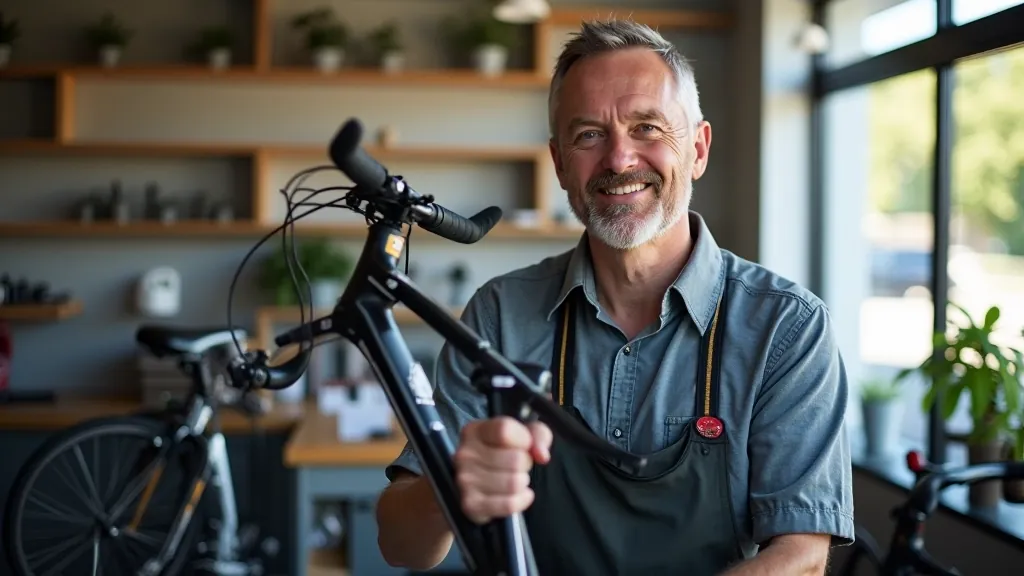
Beyond frame, saddle, and weight, these features shape your comfort on every ride.
Handlebar Position
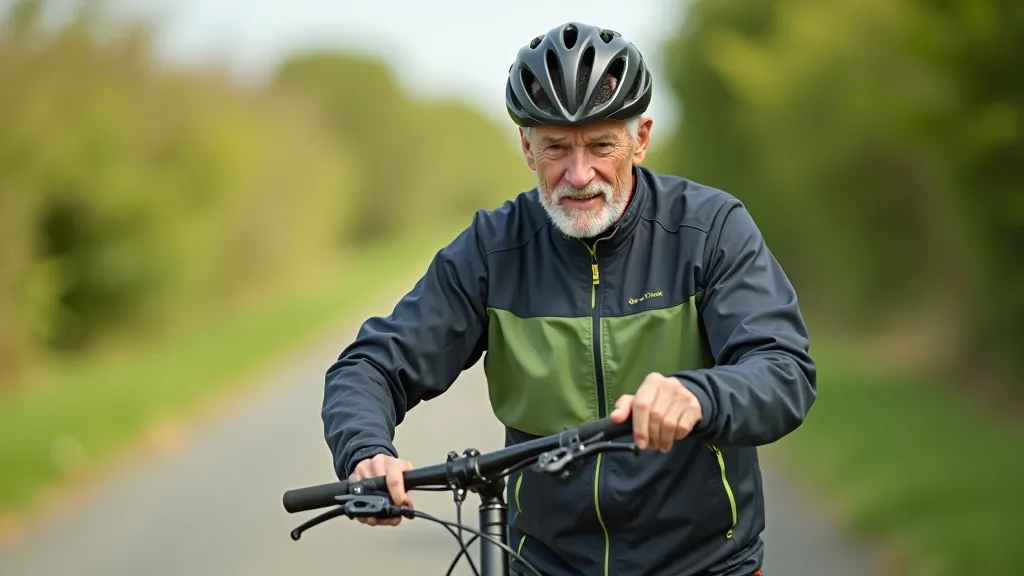
Upright bars reduce strain on your back and shoulders. You shouldn't be hunched over. Your hands should be at roughly elbow height when seated.
Gear Range
You don't need 21 gears. Seven to ten speeds covering a wide range is plenty. Focus on having easy gears for hills, not lots of tiny increments.
Braking System
Rim or disc brakes both work fine. What matters is smooth, predictable stopping power without requiring a death grip on the levers.
Tire Width
Wider tires (32-40mm) roll smoother over rough paths and provide better stability than narrow tires. Perfect for canal towpaths.
Maintenance Access
Look for bikes where you can easily reach and adjust the seat, handlebars, and brakes. Complexity isn't your friend.
Test Ride Duration
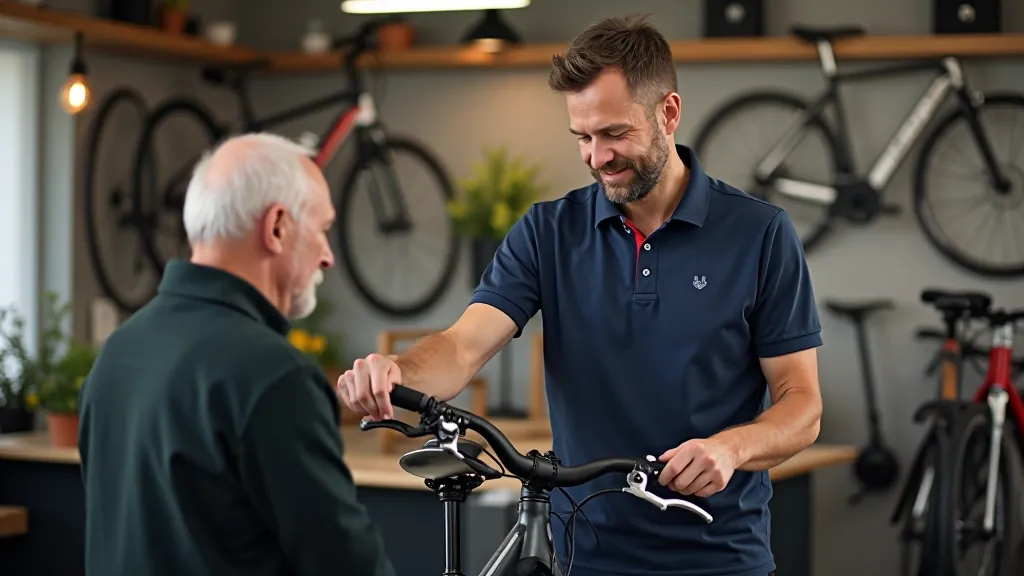
Don't judge a bike on a 5-minute shop ride. Rental shops often let you test for 30-60 minutes. That's when real comfort issues show up.
Practical Buying Tips
The Bottom Line
Choosing a comfortable bike comes down to a few simple priorities: a step-through frame for easy mounting, a wide padded saddle, a lightweight aluminum construction, and upright positioning that doesn't strain your back. You're not buying a race bike or a status symbol. You're buying a tool that'll let you enjoy peaceful rides through beautiful places.
Take your time testing different models. Spend time in the saddle, not just looking at specifications online. A bike that feels right to you is the right choice, regardless of brand or price tag. Once you find it, you'll find yourself reaching for it regularly — maybe exploring the Blueway Leitrim Shannon route, or discovering local paths you didn't know existed. That's when you'll know you've made the right decision.

Related Articles