Choosing a Comfortable Bike for Leisurely Riding
What to look for in frame design, saddle comfort, and bike weight. We've tested and compared the best options.
A beginner's guide to preparing yourself, choosing the right bike, and building confidence on gentle routes
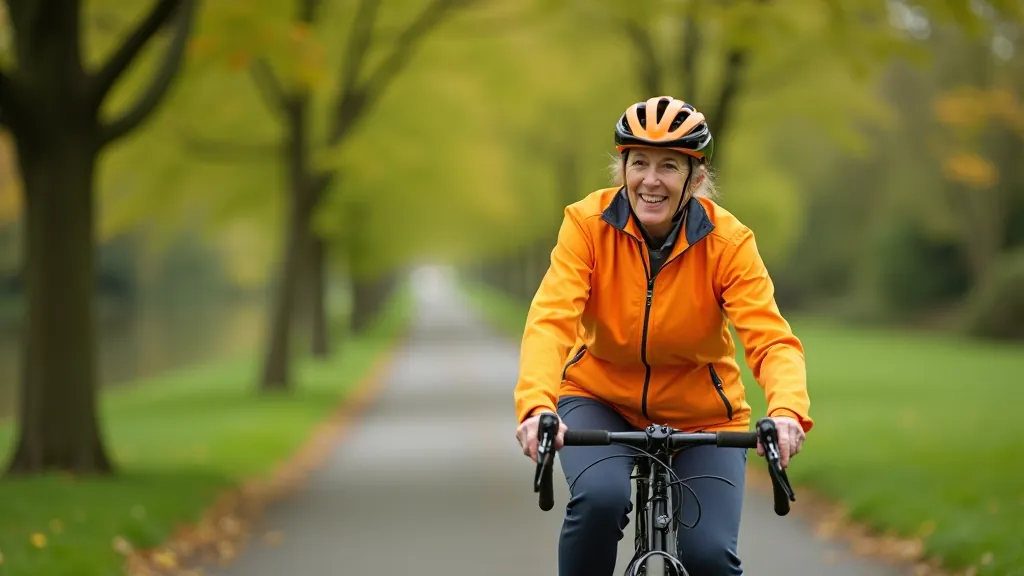
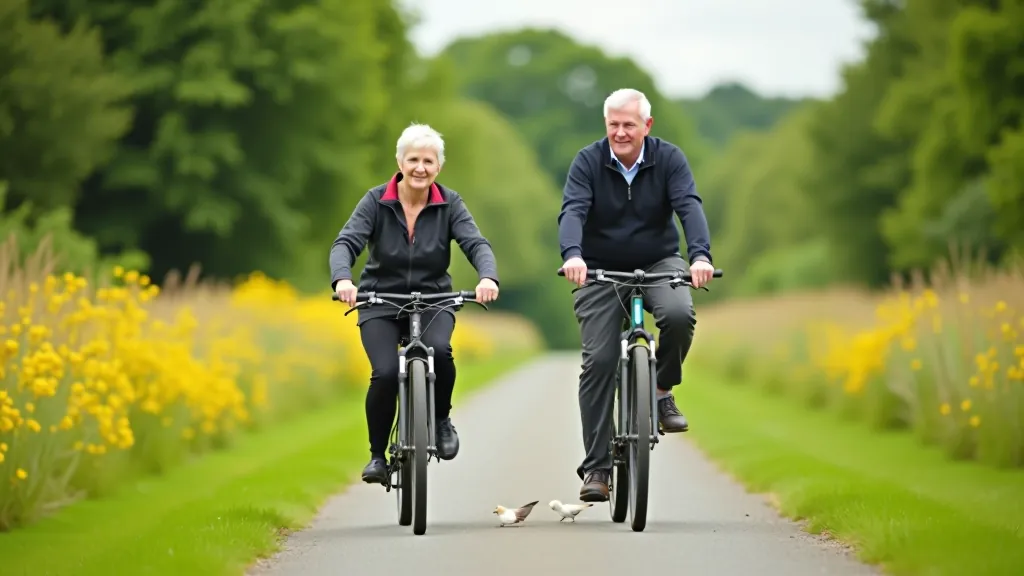
Canal towpaths aren't like road cycling. They're flat, traffic-free, and genuinely peaceful. You're not competing with cars or worrying about steep hills. It's just you, the water, and a gentle route that goes on for miles.
The thing that makes towpaths brilliant for beginners is they remove the stress. No one's rushing you. You can stop whenever you want to admire the scenery, chat with other cyclists, or just catch your breath. Routes like the Blueway Leitrim Shannon are specifically designed so you'll feel confident within your first few rides.
Most people think they need fancy equipment to start. They don't. A comfortable hybrid bike, proper footwear, and a helmet are all you really need. We'll walk through what to look for and how to build your confidence gradually.
Zero hills means zero stress on joints and muscles
Dedicated cycling paths with no cars or lorries
Beautiful waterside views that make you want to ride
Stop whenever you like, rest, explore, enjoy
You don't need to be super fit to start cycling. Honestly, most beginners worry too much about fitness before they begin. What matters is starting gently and building from there.
Spend a week or two doing light walking. Twenty to thirty minutes, three times a week. This prepares your legs, knees, and ankles for the cycling motion. It's not strenuous — just steady walking at a pace where you can still chat to someone.
Then do some simple flexibility work. Touch your toes, gentle hip circles, and calf stretches. Hold each stretch for 20-30 seconds. You're not trying to become a gymnast. You're just waking up muscles that might've been quiet for a while.
Here's the truth: you don't need an expensive bike. You need a comfortable one. There's a big difference.
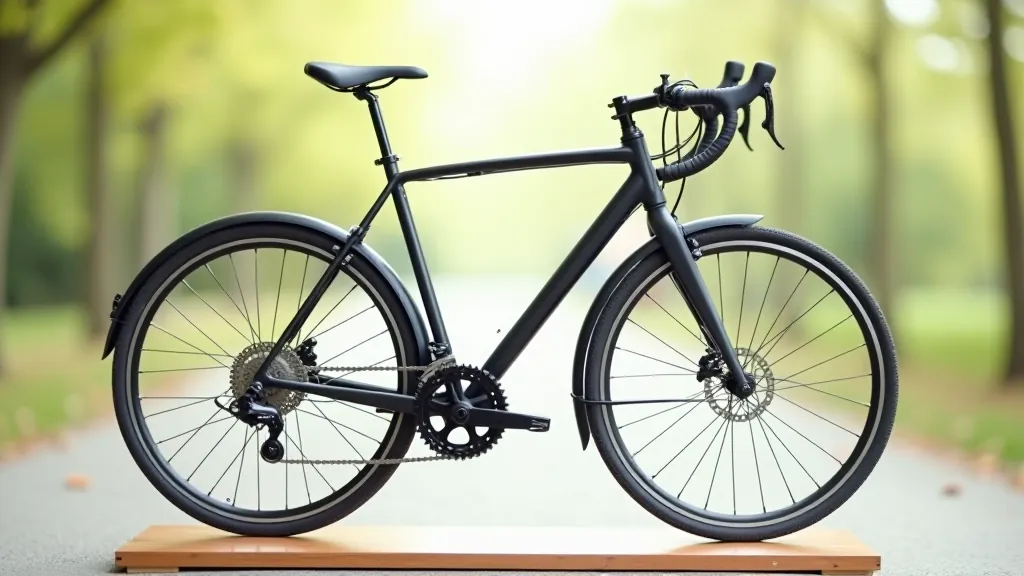
Look for a hybrid or comfort bike, not a racing road bike. The frame should let you sit upright — your back straight, not bent forward. This matters because you'll be more comfortable and can see the path better. The saddle should be wide enough that you can sit on it without discomfort after 30-45 minutes of riding.
Test ride before you buy. Most good bike shops will let you take a bike out for 10-15 minutes. Ride on flat ground, apply the brakes gently, and see how it feels. Does your wrist hurt? Are your knees twisted? Does the saddle dig in? If yes to any of that, try a different model.
Budget? A decent hybrid bike costs £250-500. You'll use it for years if you look after it. That's about £30-50 per year if you ride regularly.
This guide is for educational purposes. If you have existing health conditions, joint problems, or haven't exercised in many years, speak with your GP before starting a new cycling routine. Every person's fitness level is different. Start slowly, listen to your body, and progress at your own pace. Wear a helmet every time you ride — no exceptions. Check your bike before each trip and make sure brakes work properly.
Your first ride should be short. Five kilometres is plenty. You're not racing anyone. You're getting used to balancing, pedalling rhythm, and how the bike feels under you.
Focus on three things: smooth pedalling, gentle braking, and staying centred on the path. Don't grip the handlebars too tight — your hands will cramp. Let your shoulders relax. Look ahead at the path, not down at your wheels.
By week three, you'll be comfortable on 8-10 kilometre rides. By week six, most people are doing 15 kilometres without thinking about it. The route doesn't matter much — the Blueway is perfect because it's flat and well-marked, so you can focus on the riding itself.
5km rides, focus on balance
8-10km rides, smoother pedalling
15km rides, building endurance
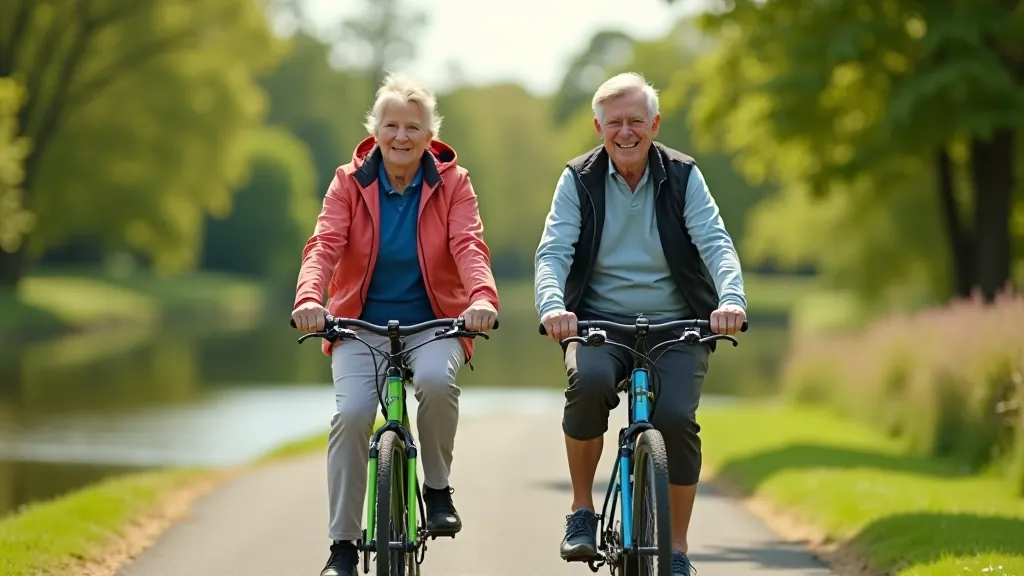
Don't get talked into buying expensive cycling kits. Most beginners use maybe 20% of what shops try to sell them. Here's what actually matters:
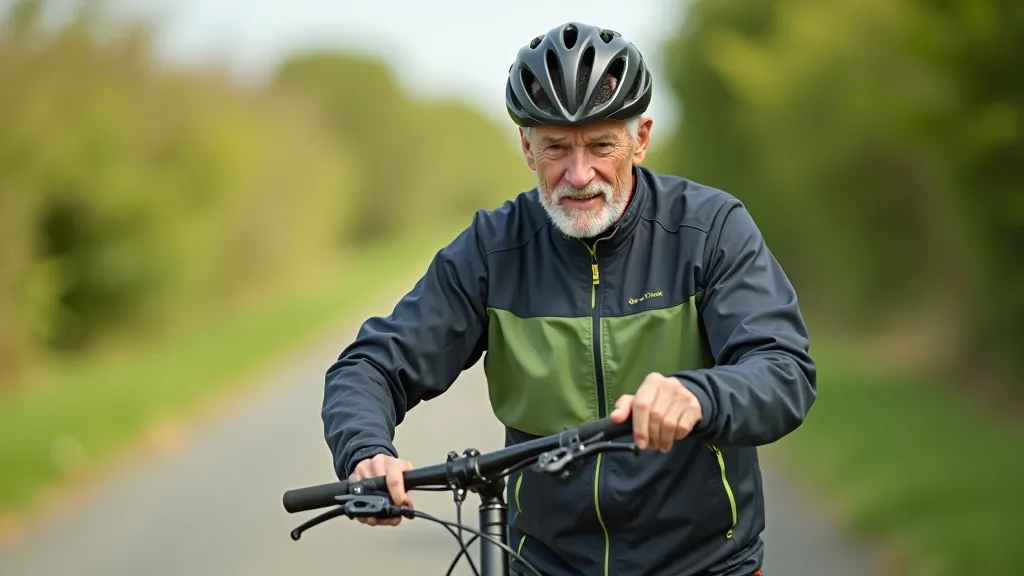
Non-negotiable. Even at 10km/h on a flat path. £30-60. Make sure it fits snugly without sliding.
Padded shorts prevent saddle soreness. After 30 minutes without them, you'll understand why. £20-40.
Front and rear. Even on towpaths. Battery or rechargeable. £15-30 for a basic set.
Spare tube, pump, and tyre levers. You won't need them often, but you'll be grateful when you do. £10-15.
A sturdy U-lock if you're stopping at cafés. £20-35. Cheap locks are pointless.
Stay hydrated on longer rides. A 500ml bottle mounted on the frame. £5-10.